

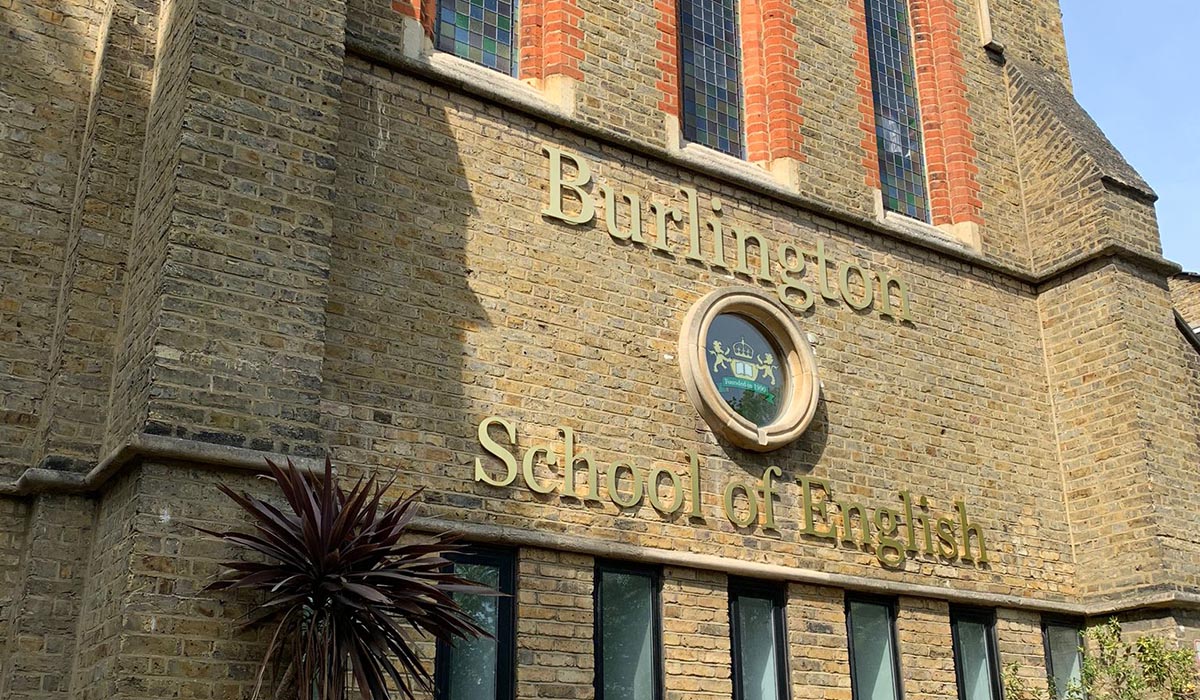

Burlington School of English
British Council accredited school in South London with on-site accommodation, offering General English, exam preparation and specialist business courses since 1990.



London works for ambitious students who want maximum opportunity and accept the investment required. You’ll access the UK’s best course selection, unlimited cultural resources, and genuine career networking—but you’ll pay higher costs, commute further, and need self-discipline to maximise your learning. The city rewards initiative and punishes passivity. If you’re motivated, comfortable with urban complexity, and ready to compete globally, London delivers returns that smaller cities can’t match.
London’s power is preparation for global English. You’ll hear British, American, Australian, Indian, Nigerian, and Caribbean accents daily—the exact diversity you’ll encounter in international business. Your classmates will represent over twenty countries. Every major cultural institution offers world-class English content: the British Museum, British Library, Tate Modern, National Gallery, Science Museum, and Victoria & Albert Museum—all with free entry.
Professional networking happens nightly: industry meetups, language exchanges, university lectures, seminars, and conferences. London hosts global companies, international organisations, and professional networks that can advance your career. You’re learning English where it actually gets used in business, diplomacy, media, and international work.
Course choice is unmatched: every level, every exam (IELTS, Cambridge, TOEFL, PTE), business English, academic pathways, and specialised courses (legal English, medical English, aviation English, finance terminology). Classes include multiple nationalities, making English essential. London attracts all demographics—gap-year students, working professionals, executives, and academics.
The challenge is that London rewards active effort. Unlike smaller cities where English immersion is unavoidable, here you can find communities from your home country. Language bubbles exist. People speak quickly, use contemporary slang and business terminology, and expect you to keep up. The transport system requires English literacy from day one. Success means choosing English conversations deliberately, attending events outside your comfort zone, and building recurring relationships—returning to the same cafés, joining clubs, attending regular meetups. The city provides unlimited resources; you must use them.
Ready to study in London?

Weekdays typically involve commuting to school—35 to 50 minutes from Zones 3–4 is normal—followed by morning classes, lunch near school or in parks, and afternoon study or cultural visits. Evenings offer endless possibilities: professional networking events, theatre, live music, language exchanges, international cuisine, and university lectures. You can curate your experience based on your goals—career networking, cultural immersion, or specific interests.
Weekends invite exploration of different neighbourhoods, famous markets such as Borough, Portobello and Greenwich, or day trips to Oxford, Cambridge, Brighton, or Canterbury (60–90 minutes by train).
Many international English students live in Zones 3–4, occasionally Zone 2 in less central areas. Zone 1 accommodation is essentially hotels and not realistic for students. Student residences, if your school offers them, are usually in Zones 1–2, modern and convenient but expensive (£450–550+ per week). Homestays and private accommodation are the most common options, found mainly in residential suburbs.
Expect 40–60 minute commutes from Zones 3–4. This is typical London student life and significantly reduces accommodation costs while keeping you well-connected to central areas.
London is the UK’s most expensive study city. Accommodation varies dramatically by type and zone:
Add transport costs (Zones 1–4 travel), food, course fees, and daily expenses. Request itemised quotes—including tuition, enrolment, materials, accommodation type and zone, and extras—to compare total costs accurately. If budget is your priority, Manchester, Liverpool, or Leeds cost roughly 40–50% less overall.
You’ll use Transport for London (Tube, buses, Overground) daily. Use Oyster or contactless payment with daily and weekly fare capping. Peak times are busy but manageable. The network runs late into the evening, with Night Tube on some lines at weekends and 24-hour night buses.

The Underground is fastest; buses allow you to see the city. Most areas are well-connected. Walking long distances isn’t practical—London is vast. Cycling requires confidence in traffic. Fast rail and coach links connect you to Heathrow, Gatwick, Stansted, and Luton for most international routes.
London schools operate year-round with consistent availability. Summer (July–August) is the busiest period. Popular schools fill two to three months ahead for summer arrival, so book early if you want specific schools or locations.
London is generally safe with normal city awareness. Use standard precautions such as watching belongings on transport and avoiding empty areas late at night. Research your accommodation neighbourhood before booking. Late-evening transport is well-established and reliable.
Some accredited providers are licensed Student route sponsors; many enrol learners on visitor or short-term study routes. Always check the latest guidance on GOV.UK and confirm the right visa route with your chosen school.

London is ideal for students who want the highest level of choice, diversity, and professional opportunity, and who can handle the scale and pace of the capital. It rewards ambition and self-direction but requires energy and good organisation.
London suits you if you:
Consider alternatives if you:
Prefer the full form? Go to enquiry page
Browse accredited English language schools across London below. Each profile shows zone, course types, weekly hours, facilities, and visa support. All providers are independently verified, so you can browse with confidence. Enquiries are sent directly to schools—no commission, no middleman—and most schools reply within one to two working days.
Not sure London is right? Students also compare:
British Council accredited school in South London with on-site accommodation, offering General English, exam preparation and specialist business courses since 1990.
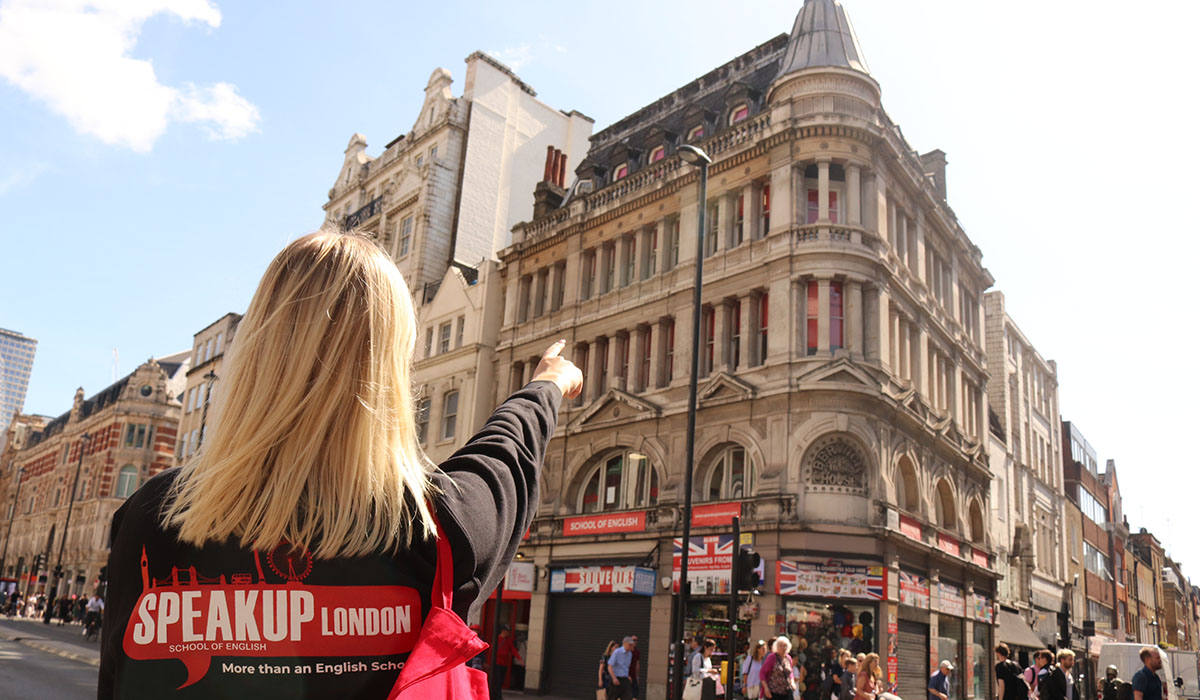

Central Oxford Street school offering flexible English courses for all levels, with morning, afternoon, evening and weekend classes plus free social activities.
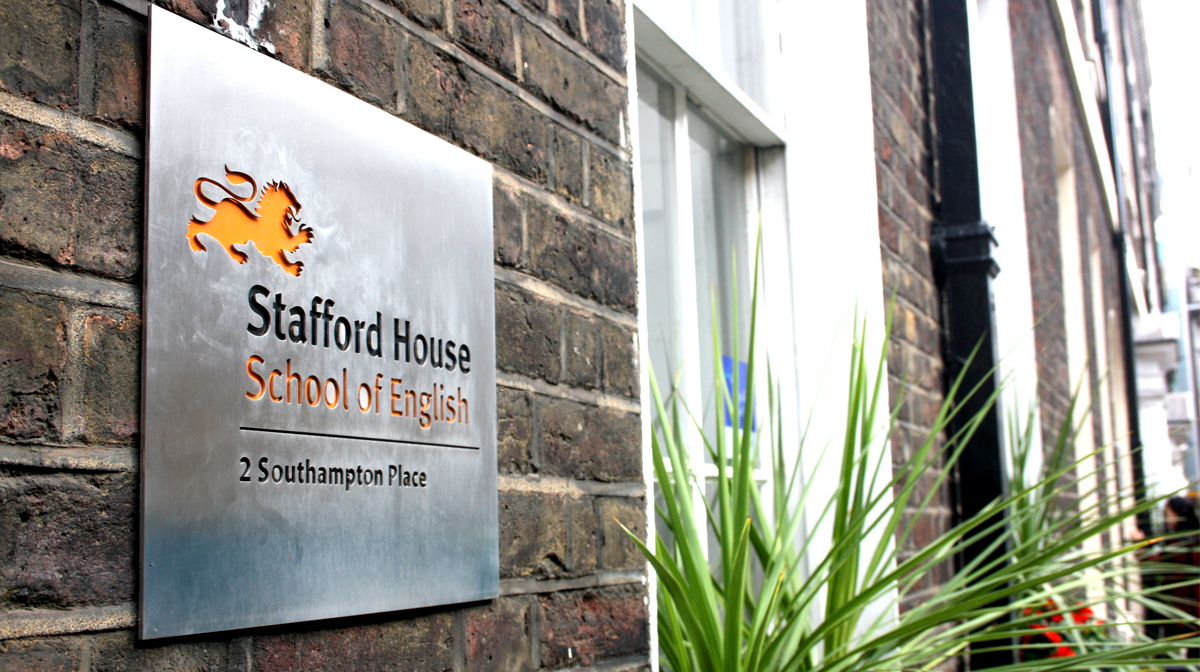

Historic Bloomsbury school offering General English, Business English and exam preparation courses with experienced teachers and modern facilities near the British Museum.

Established language school in Covent Garden with over 60 years experience, welcoming thousands of students annually for English courses, exam preparation and teacher training.


Specialist language school near Angel station offering affordable, communication-focused English courses for all levels in small, friendly classes.
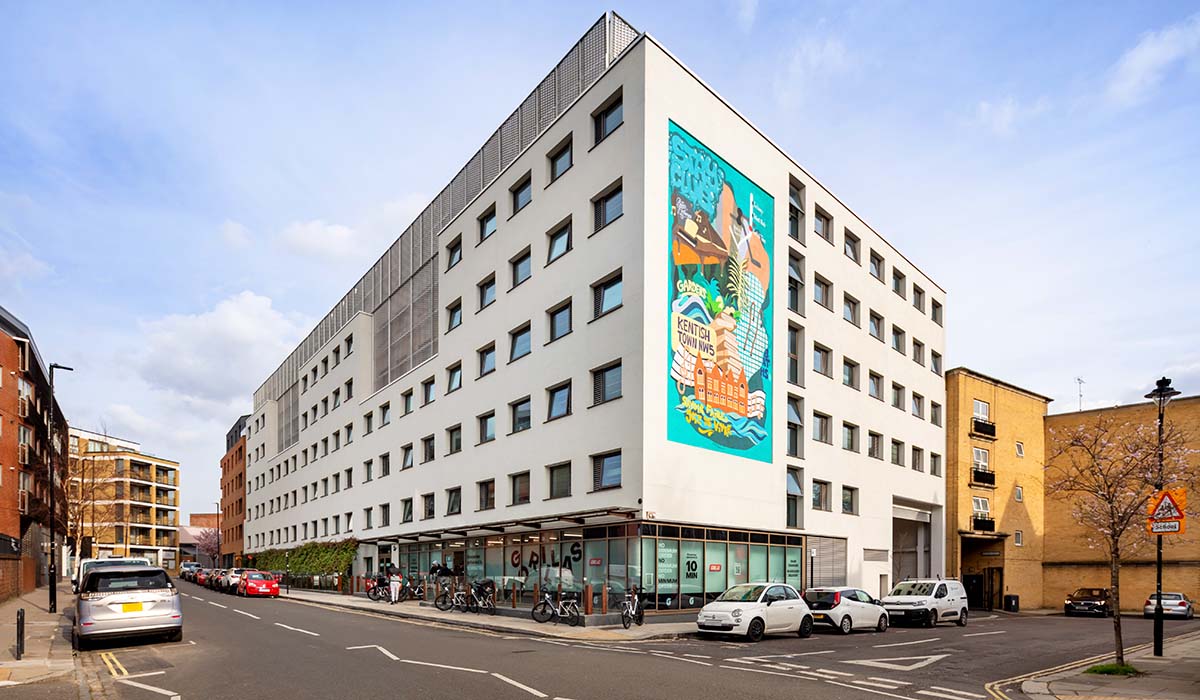

All-inclusive London campus where students live and learn under one roof, with English courses, university pathways and on-site accommodation.
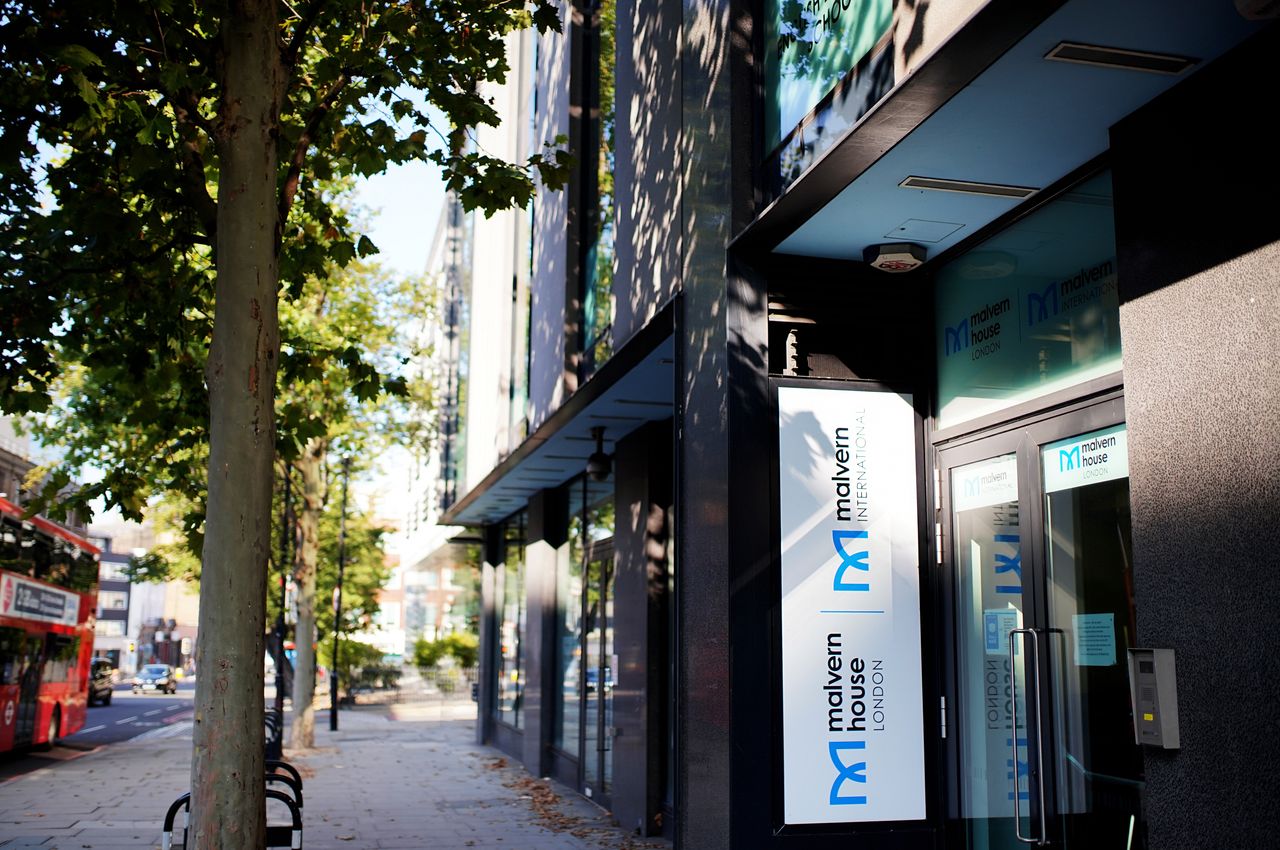

British Council accredited school near King's Cross offering General, Business and Exam English courses with modern facilities and a supportive international community.


Summer English school for children aged 5–17 located inside Regent's Park, combining morning lessons with sports, activities and London excursions.
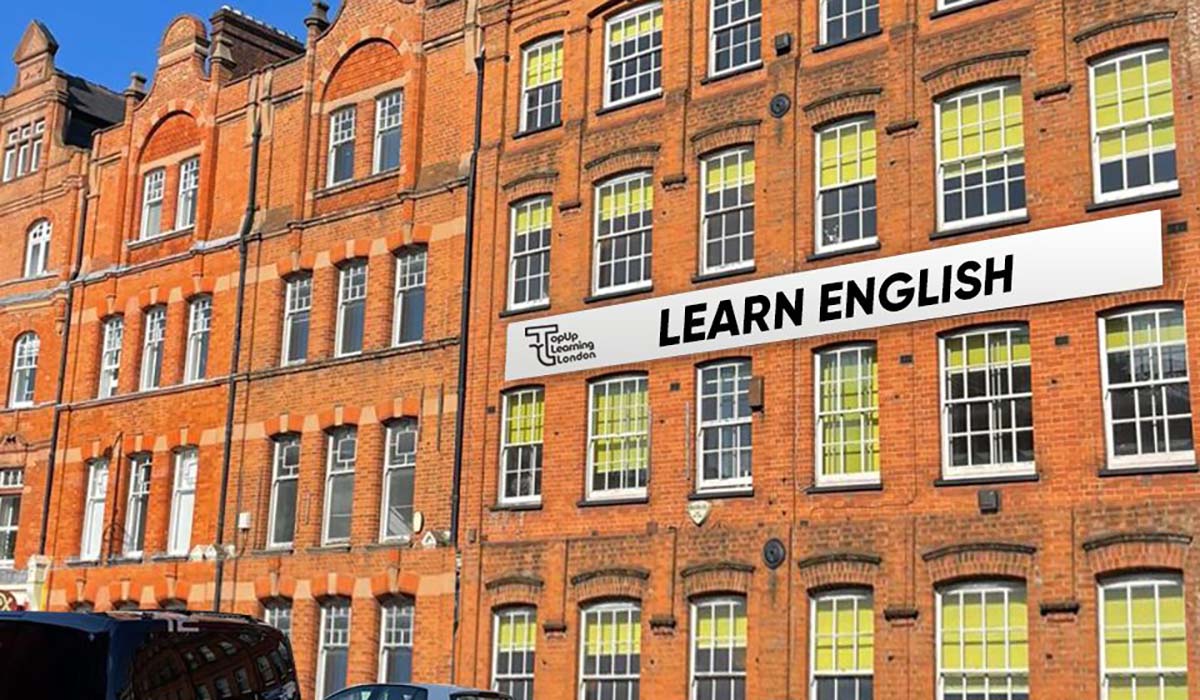

Camden-based school with over 20 years experience offering flexible English courses online and in-person, including weekends, with qualified native-speaking teachers.
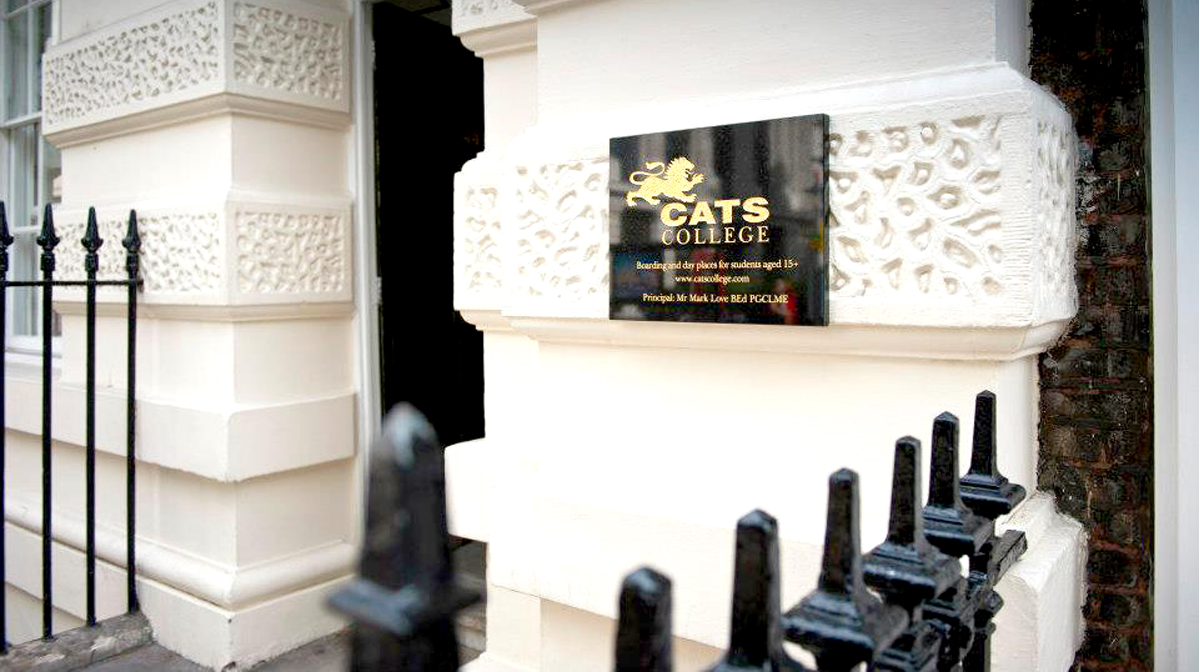

International college in central London offering A Levels and Foundation programmes for students aged 14-18 preparing for entry to top UK universities.


