
UK Rejoins Erasmus: Welcome News for EU Students
Written by James McCall Accommodation Director Finally some great news for our industry. The UK is…
Read More

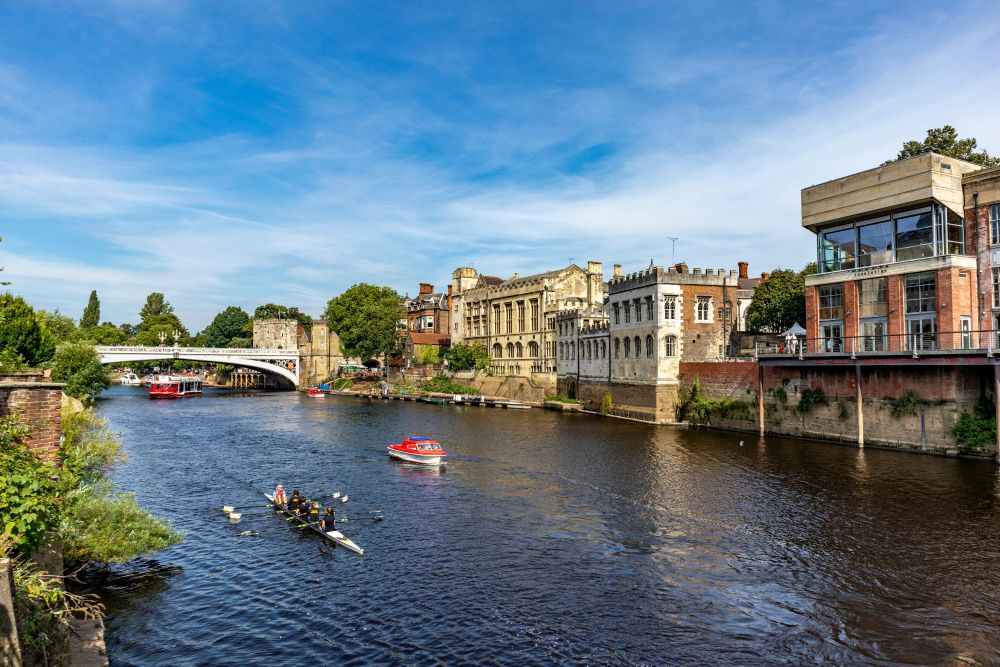
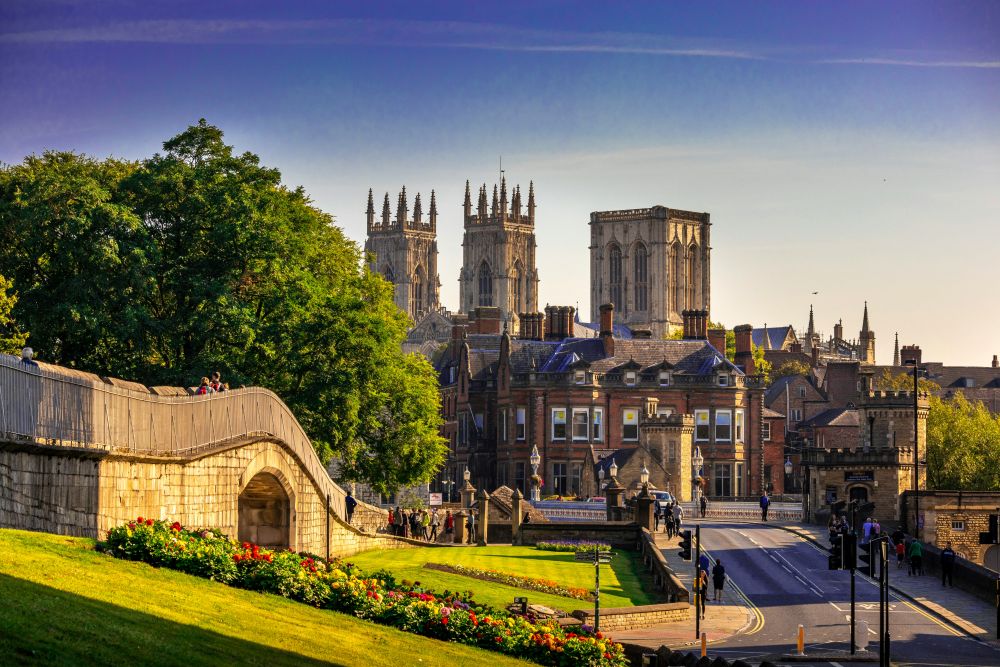
York works for students who want a historic atmosphere, traditional English culture, and a manageable city size. You’ll find good English language schools, rich heritage sites, and a quiet study environment—at costs higher than Manchester or Liverpool but less than London. The atmosphere is traditional and polite rather than casual and modern.
The accent is Yorkshire (northern English)—different sounds but understandable with practice. If you want a historic city with a calm atmosphere and genuine English culture, York delivers.
York offers the Yorkshire accent—northern English with distinctive vowel sounds and regional words, such as “aye” (yes) and “nowt” (nothing). The accent is softer than in nearby industrial towns, and most students adjust within three to four weeks.
The city constantly welcomes visitors because of its historic sites, so staff in museums, shops, cafés, and attractions communicate clearly with international students. The city is polite and helpful, making interactions comfortable.
York has two universities and a large student population. You will hear young people speaking casual English mixed with international students. Although less diverse than Manchester or Liverpool, York offers practice in a traditional British setting.
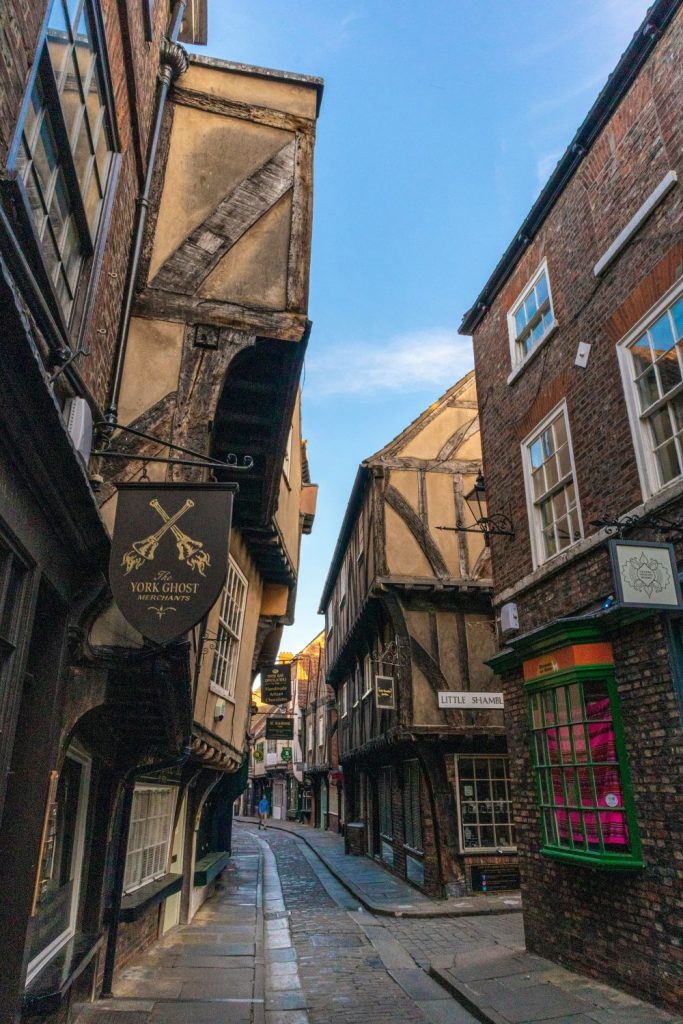
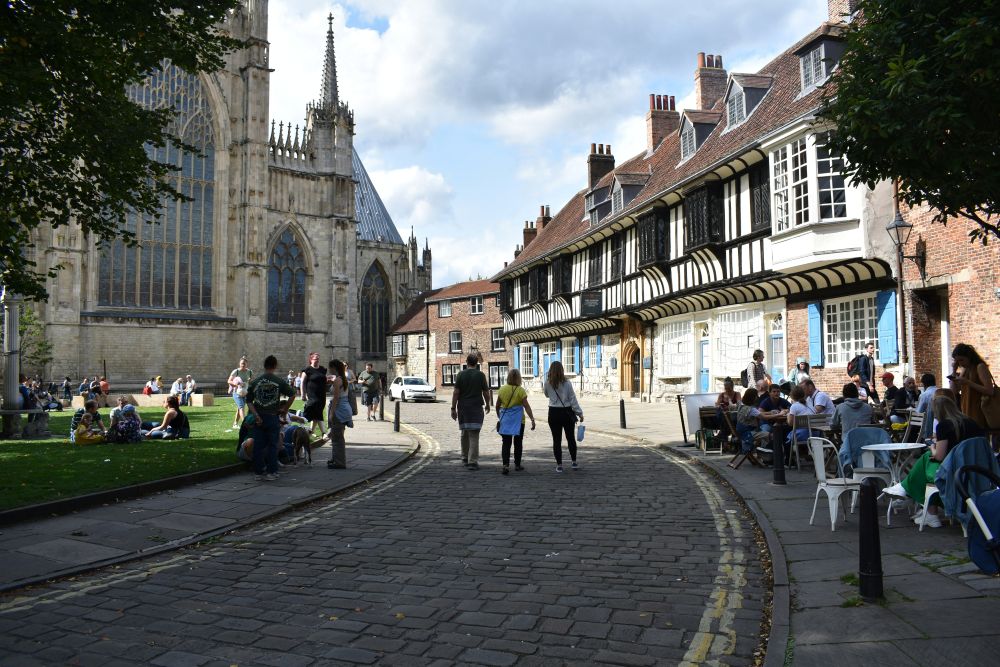
The historic character of the city enriches vocabulary learning through daily life. Terms such as medieval, Roman, Viking, city walls, cathedral, and fortress appear everywhere. Museums like York Minster, Jorvik Viking Centre, National Railway Museum, and York Castle Museum provide clear English explanations of history.
Course choice is solid: General English, exam preparation (IELTS, Cambridge), Business English, and Academic English. Classes mix international students, making English essential. York attracts all ages, creating varied classrooms.
The compact size helps learning. You’ll see the same shop workers, café staff, and locals regularly, which encourages repeated conversations and builds confidence. Unlike in big cities, York’s size means people recognise you, promoting natural English practice.
Ready to study in York?
Weekdays usually involve morning classes, lunch in the city centre or near the River Ouse, and afternoon study in cafés or libraries. Evenings include student social life in traditional pubs, some live music, university events, or cinema. York’s nightlife is calm compared to Manchester or Liverpool—people prefer conversation over clubs.
The city centre is mostly flat and very walkable. You can cross the entire centre in about 20 minutes. The medieval city walls circle the old centre, and the River Ouse provides scenic riverside walks. Museums, shops, and historic sites are all close together.
Weekends offer options such as walking the city walls, visiting historic sites like York Minster, exploring nearby areas like Yorkshire Dales National Park (45 minutes), North York Moors (1 hour), or coastal towns like Whitby (90 minutes), or taking day trips to Leeds (30 minutes), Manchester (90 minutes), or Edinburgh (2.5 hours).
Most students live within walking distance or a short bus ride from schools and the city centre.
York is mostly flat and very walkable. Most student areas are within 25–30 minutes of schools by bus or bicycle, making everywhere feel close compared to larger cities.
York costs more than Manchester, Liverpool, or Leeds—similar to Bath, less than London. Tourism drives higher prices in northern England. Typical accommodation ranges:
Request full cost details from schools (tuition, registration, materials, accommodation, extras) for accurate comparisons.
Buses cover York well, but the compact city centre is mostly walkable. Cycling is easy on flatter routes. York train station connects to London (2 hours), Edinburgh (2.5 hours), Manchester (90 minutes), and Leeds (30 minutes).
York has northern England weather—cool, often grey, with rain and cold winds. Summers are mild (17–21°C), winters cold (2–7°C) with occasional frost or snow. Being inland, it is colder than coastal cities; bring warm, waterproof clothing and layers.
Schools operate year-round. Summer (June–August) is busiest; book 2–3 months ahead. September–May offers better availability.
York is generally very safe, with low crime. Normal precautions apply, especially in tourist areas. The city is quieter and safer than large cities, and most areas are safe day and night.
Many official schools can sponsor Student visas. Check with your chosen school about support. Always consult the GOV.UK website for current visa rules.
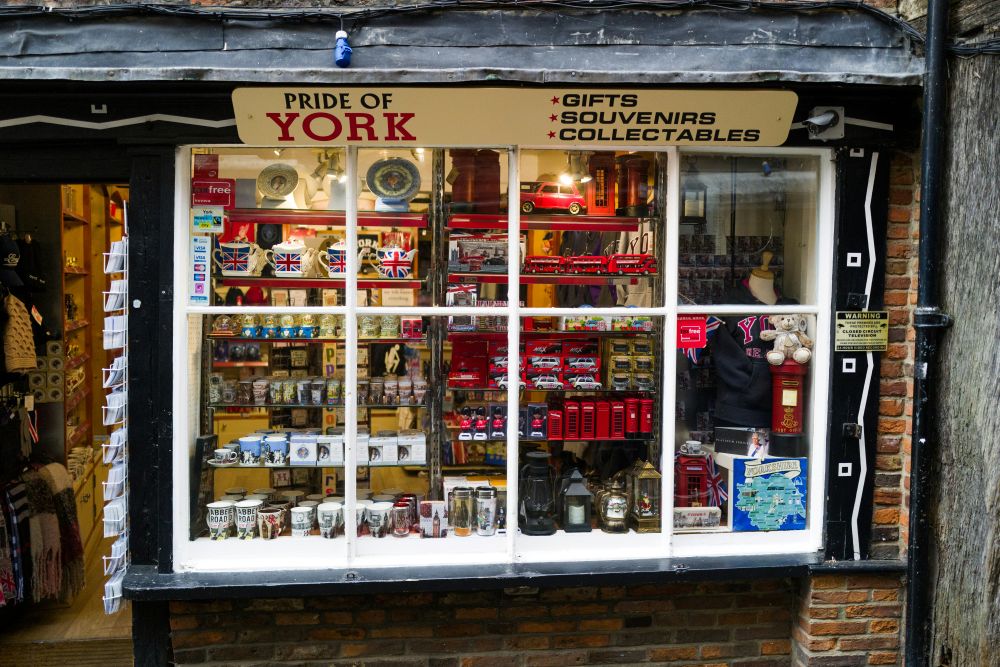
York is ideal for students seeking a historic, traditional English city with a calm and walkable environment. Its compact size encourages natural English practice and repeated interactions with locals.
York suits you if you:
Consider alternatives if you:
Prefer the full form? Go to enquiry page
Browse official English language schools in York below. Each profile shows course types, weekly hours, start dates, facilities, and visa support. All schools are officially checked—browse with confidence.
Enquiries are direct and commission-free. Schools typically reply within 1–2 working days.
Not sure York is right? Students also compare:
No schools are currently linked to this city.


