

UK Rejoins Erasmus: Welcome News for EU Students
Written by James McCall Accommodation Director Finally some great news for our industry. The UK is…
Read More

England
Creative port city with maritime history and modern energy
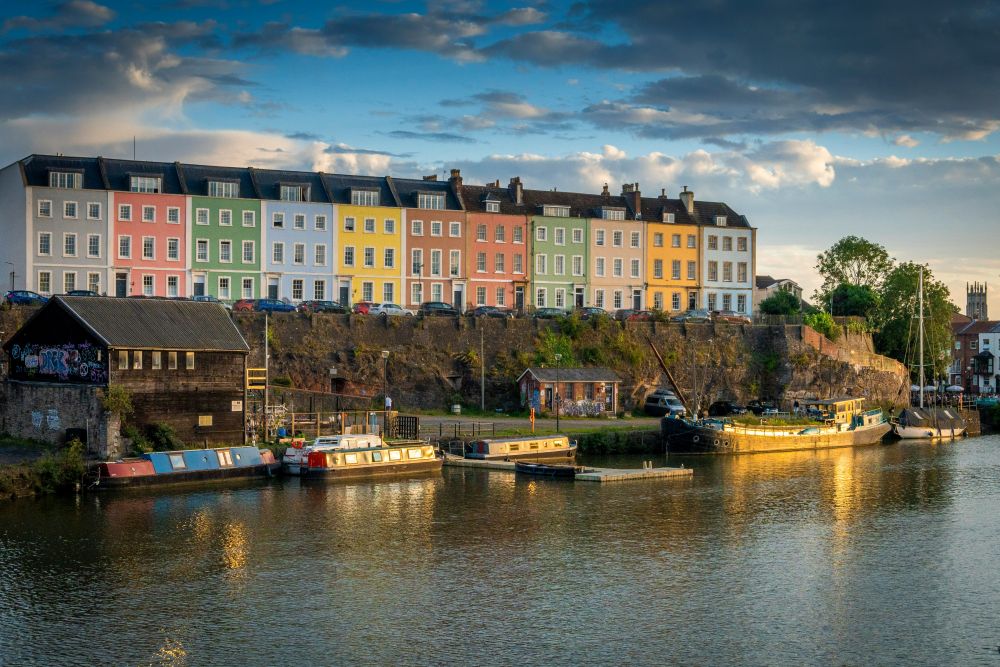
Bristol works for students who want city energy with a creative atmosphere, diversity, and a manageable size. You’ll find good English language schools, an active arts scene, and a multicultural community—at costs higher than northern cities but less than London. The atmosphere is urban and modern rather than traditional or touristy.
The accent is West Country (southwest England)—soft and generally easy to understand. If you want a proper city experience with creative culture, manageable size, and a southern location, Bristol delivers.
Bristol offers the West Country accent, which is softer and clearer than strong northern regional accents. Some people speak close to standard southern English, while others have stronger West Country sounds, approachable after a short adjustment period.
The city is diverse, with people from many backgrounds. English is the common language used daily, and the port history has welcomed international communities for centuries.
Bristol has two universities and a large student population, plus many language school students. You’ll hear casual English mixed with international students, creating a strong student culture.
The city’s creative character encourages English practice through interests. Street art and graffiti appear throughout the city, and live music venues, independent cinemas, theatres, and art galleries provide listening practice. The casual, open atmosphere encourages conversation in cafés, events, and public spaces.
Course choice is solid: General English, exam preparation (IELTS, Cambridge), Business English, and Academic English. Classes mix international students, making English essential. Bristol attracts a range of ages, creating varied classrooms.
The city teaches vocabulary naturally. Maritime words—harbour, port, dock, cargo—appear around the Harbourside. Creative terms—exhibition, gallery, performance, street art, mural—are used daily. Museums such as the SS Great Britain help with maritime and engineering vocabulary.
Ready to study in Bristol?
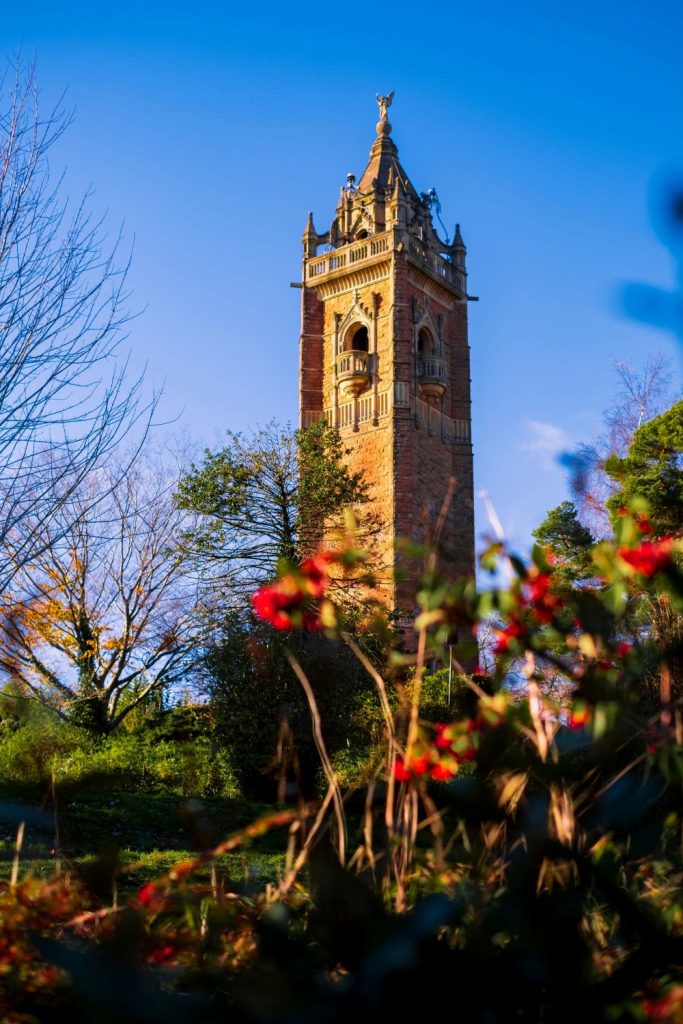
Weekdays usually include morning classes, lunch in the city centre or student areas (Clifton, Stokes Croft, Harbourside), and afternoon study in cafés or libraries. Evenings feature student social life in live music venues, pubs, theatres, cinema, or Harbourside bars. Bristol has an active nightlife and cultural events most nights, with some hills to walk up in certain areas.
The city centre is walkable but spread out; walking across takes 30–40 minutes. The Harbourside provides waterfront walks, and Clifton offers parks and views. Green spaces include Ashton Court, the Downs, and various parks.
Weekends can include exploring neighbourhoods (Clifton for Georgian buildings and shops, Stokes Croft for street art, Southville for cafés), visiting SS Great Britain, walking the Clifton Suspension Bridge, or taking day trips to Bath (20 minutes), Cardiff (45 minutes), Cotswolds (1 hour), or London (1.5–2 hours).
Most students live in areas around the universities or city centre, connected by good bus routes.
Bristol has many hills, especially in Clifton or near the university. Most buses work well. The city is larger than Brighton or York but smaller than Manchester.
Bristol costs more than Manchester, Liverpool, or Leeds—similar to Brighton, less than London. Typical accommodation ranges:
Request full cost details from schools for accurate comparisons (tuition, registration, materials, accommodation, extras).
Buses cover Bristol well. Weekly or monthly passes offer value. Cycling is popular, with good paths but some hills. Bristol Temple Meads train station connects to London (1.5–2 hours), Bath (15–20 minutes), Cardiff (45 minutes), and other UK cities. Bristol Airport offers many European flights.
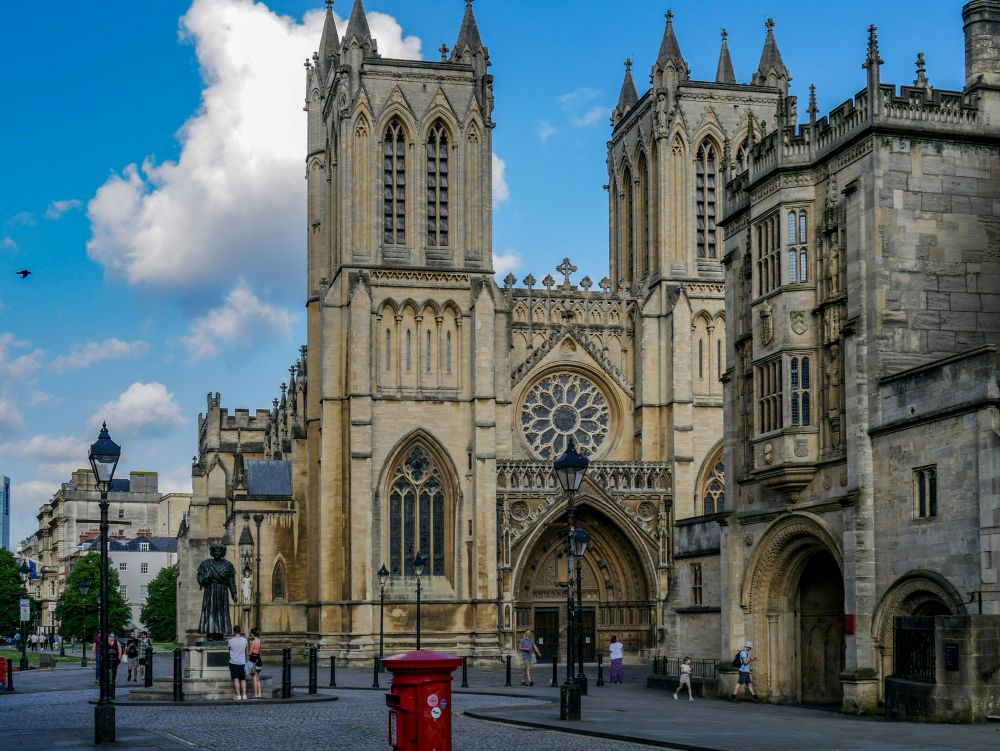
Bristol has southwest England weather—milder than northern cities. Expect grey skies, rain, and cool temperatures. Summers are mild (18–22°C), winters cool (5–10°C), rarely freezing. Slightly warmer than Manchester or York. Bring waterproof clothing and layers.
Schools operate year-round. Summer (June–August) is busiest; book 2–3 months ahead. September–May has better availability. University term times affect student accommodation availability.
Generally safe with normal city precautions. Watch your belongings, especially in busy areas and at night. Most student areas are safe and well-served.
Many official schools can sponsor Student visas. Check with your chosen school about support. Always consult GOV.UK for current visa rules.
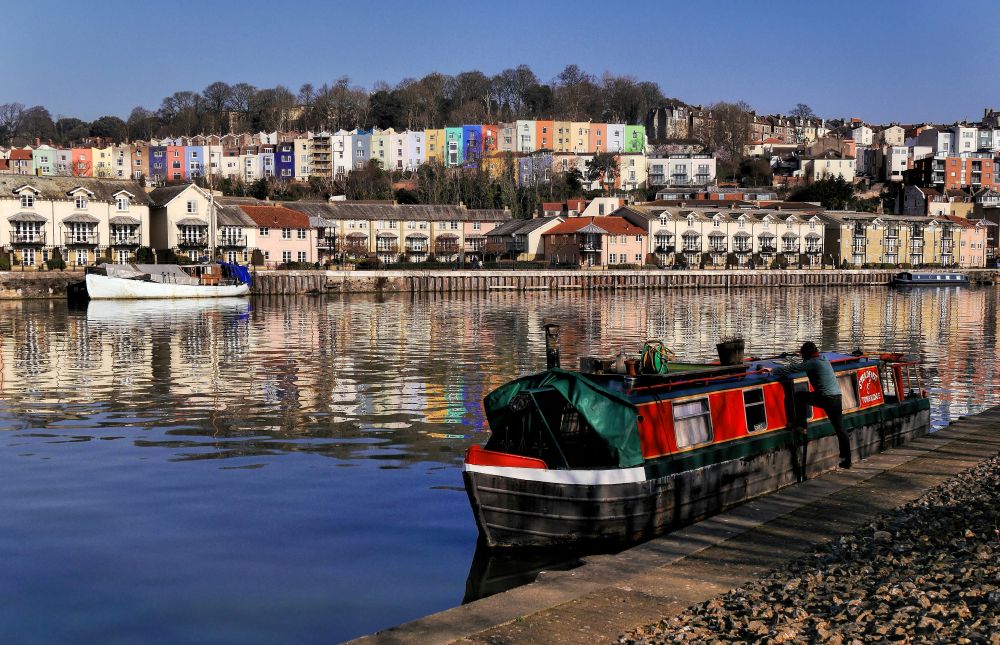
Bristol is ideal for students seeking an urban, creative, and multicultural city with active student life and cultural opportunities. Its manageable size and southern location offer a mix of history and modern culture.
Bristol suits you if you:
Consider alternatives if you:
Prefer the full form? Go to enquiry page
Browse official English language schools in Bristol below. Each profile shows course types, weekly hours, start dates, facilities, and visa support. All schools are officially checked—browse with confidence.
Enquiries are direct and commission-free. Schools typically reply within 1–2 working days.
Not sure Bristol is right? Students also compare:
No schools are currently linked to this city.


